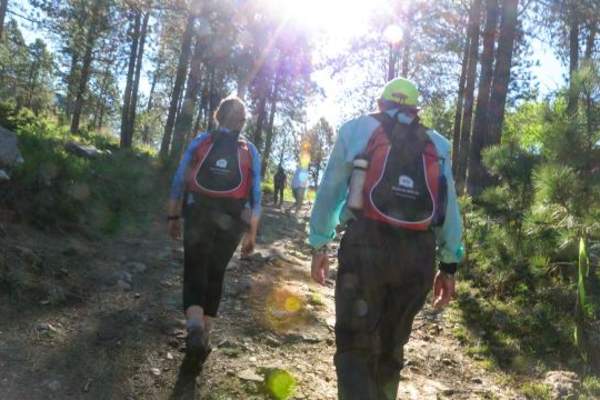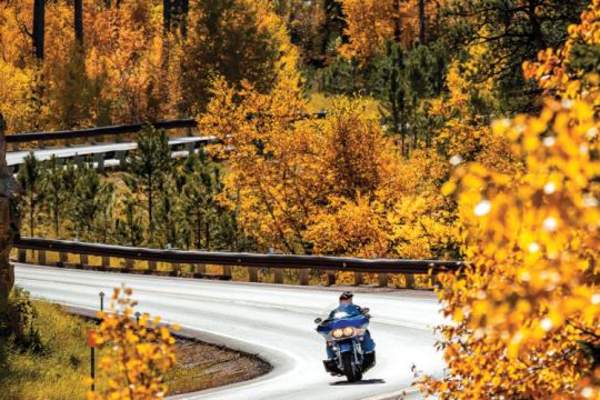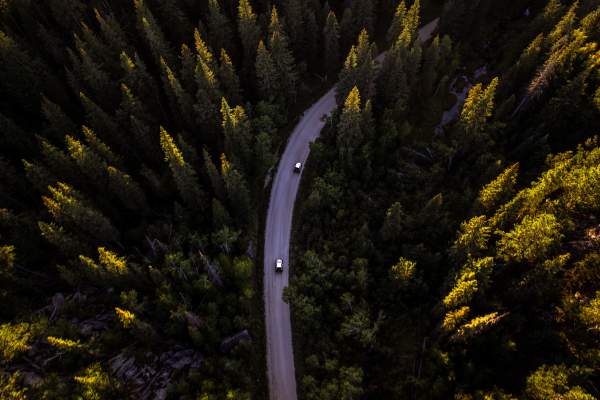
Spring in the Black Hills & Badlands is a season of firsts: early wildflowers like pasque flowers, returning birds, and baby animals as the landscape shifts from brown to green. Timing changes year to year, so look for sunny, lower elevation spots first. Plan wildlife viewing for early morning or evening. Keep a few weather proof stops in your back pocket.

Why Spring Feels Different in the Black Hills & Badlands
There is a sense of hope that shows up here in spring. You see it in the light across the hills as snow loosens its grip. You notice it in green shoots along the road. You hear it in birds that return after months away. You spot it in purple blooms set low in the grass and herds that move across open ground.
Spring is a choose your day season. A warm afternoon feels like a fresh start. A windy morning may send you indoors. Either way, you will find ways to experience the season when you know what to look for, when to go, and how to explore with care.
Flora Spotlight: Pasque Flowers and Early Signs of Spring
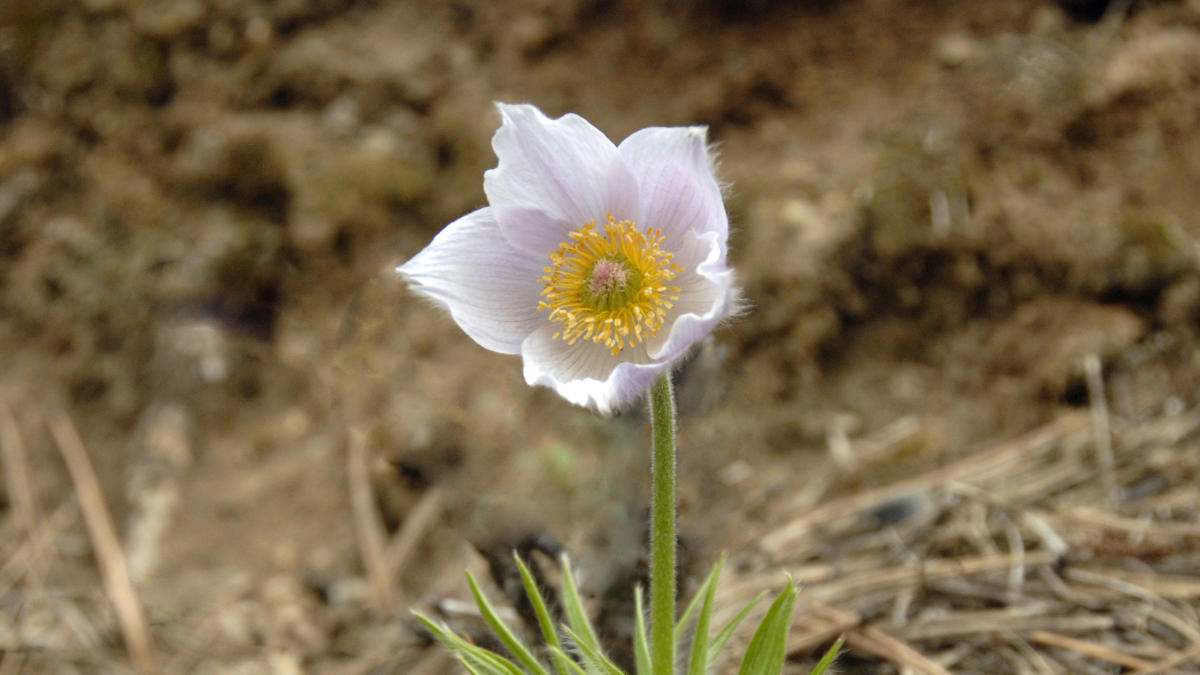
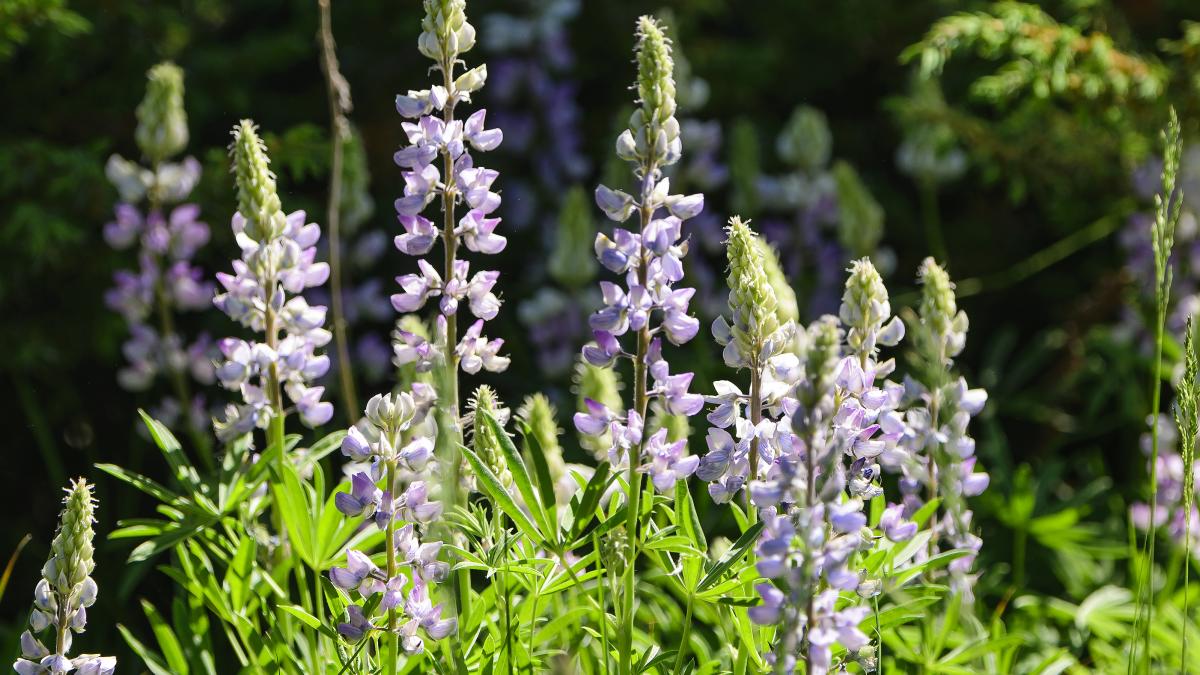
Pasque flowers are early season icons in the Black Hills. They are small, bright, and tough. They often bloom when winter still feels close.
How to Find Pasque Flowers:
When to look
- Early spring, especially after a stretch of mild days.
- The exact window varies each year, so watch the weather instead of the calendar.
Where to look
- Sunny, south facing slopes that warm first.
- Open grasslands and prairie edges.
- Roadside pull offs and trailheads where it is safe and legal to stop. Avoid narrow shoulders.
How to spot them
- Scan for low purple blooms in short grass.
- Look for patches rather than a single flower. Once you find one, more are often nearby.
Do no harm reminder
- Stay on established paths and durable surfaces. Early spring ground is fragile and muddy, and it is easy to trample new growth.
Want a low effort way to search by scenery? Scenic drives let you cover ground and stop when something catches your eye.
Fauna Spotlight: Baby Bison, Big Skies, and Best Viewing Times
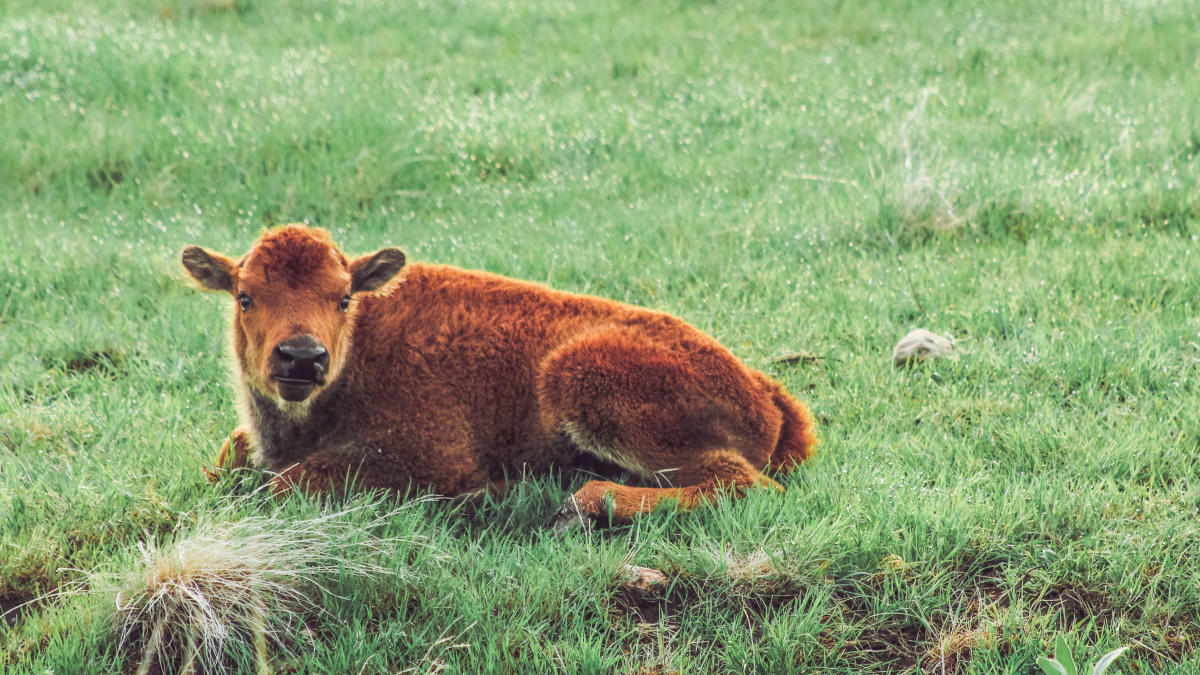
Spring wildlife viewing is about stacking the odds. Animals move more in cool temperatures. Lighter crowds make it easier for you to take your time.
How to See Baby Bison Responsibly:
When to look
- Spring is calving season, but timing varies each year. Some visits bring many sightings. Others feel quiet. That is normal.
Where to look
- Large grassland and prairie landscapes.
- Park roads where wildlife is often visible from your vehicle.
- Pull offs and overlooks designed for safe viewing.
Best time of day
- Early morning and near sunset often bring the most activity.
Wildlife etiquette
- Give animals space, especially around young.
- Never feed wildlife.
- If an animal changes behavior because of you, you are too close.
- Use binoculars or a zoom lens instead of moving closer.
If you want a low friction wildlife day, pair a drive with a short trail. In Custer State Park, Creekside Trail is a hard surfaced option that works well when you want a quick outdoor win without a long hike.
Where to go in Spring
Option 1: Scenic Drives
Spring suits scenic drives, especially in the in between weeks when trail conditions shift. You get open views, wildlife chances, and room for spontaneous stops. Start here: Scenic Drives.
Option 2: Short Walks and Easy Trails
Choose shorter trails to slow down and look for early blooms and returning birds. Expect mud in places. Bring footwear you do not mind getting dirty.
Option 3: Weather Proof Backups
Spring does not always cooperate. Build a Plan B that still helps you learn the place.
- The Journey Museum in Rapid City offers an indoor anchor when weather shifts.
- Cosmos Mystery Area provides a guided, family friendly stop that fits variable weather.
- Dinosaur Park in Rapid City gives you wide views and a short walk with little effort.
Know Before You Go: Spring Conditions and Stewardship
Spring is beautiful and unpredictable. Plan for:
- Wind.
- Large temperature swings.
- Mud during freeze thaw cycles.
- Lingering ice in shaded areas.
Small choices make a difference:
- Stay on trail to protect early blooms.
- Pack out trash, even small scraps.
- Keep wildlife wild. Observe quietly from a distance.
For added planning confidence, check seasonal operating updates before you go. Hours and access can change.
What to pack for flora and fauna days
- Layers and a windproof shell.
- Waterproof footwear. Traction helps on mixed condition days.
- Binoculars or a zoom lens.
- A daypack with water and snacks.
- Sunscreen. Spring sun can surprise you.