

Custer State Park
Back to Top of List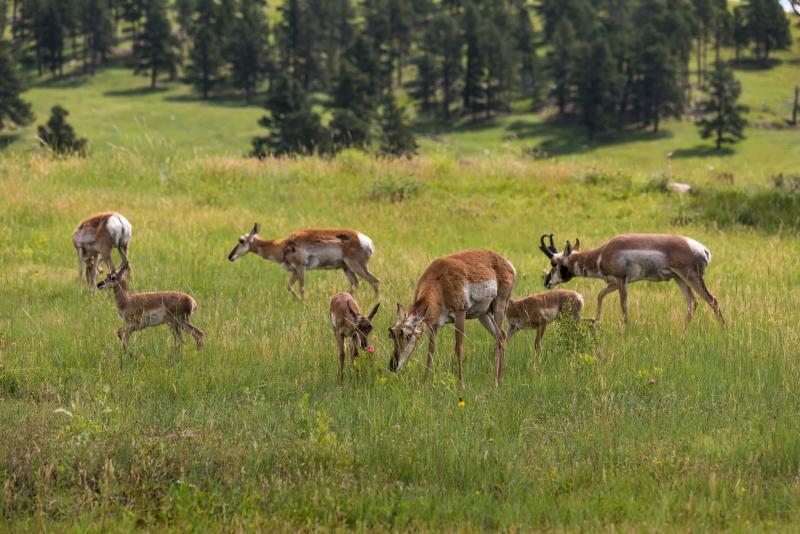
What you will see
Custer State Park is one of the best places in the region for big wildlife viewing. Visitors often look for bison, pronghorn, deer, elk, and the park’s famous burros.
Best places to view
The Wildlife Loop Road is the obvious starting point, but open grasslands, rolling hills, and roadside pullouts can all offer good viewing.
When to go
Early morning and late afternoon are the best windows. Spring and early summer can be especially active, but wildlife viewing can be rewarding throughout the year.
Badlands National Park
Back to Top of List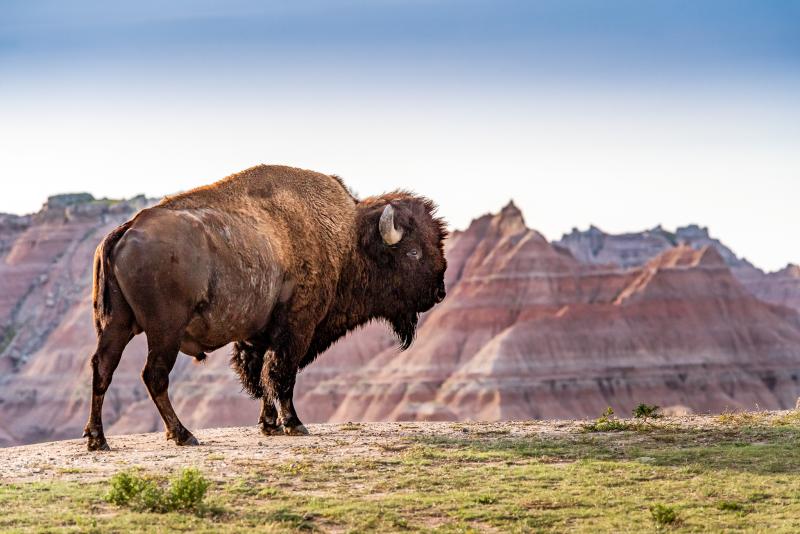
What you will see
The Badlands are known for bison, bighorn sheep, prairie dogs, and a variety of birds.
Best places to view
Scenic drives, overlooks, and open prairie areas are all strong options. Prairie dog towns are often easy to spot, and bighorn sheep may appear near rocky slopes and higher terrain.
When to go
Go early or late in the day for the best light and the best chance of spotting movement. Spring and summer are popular, but wildlife can be seen in every season.
Black Hills National Forest
Back to Top of List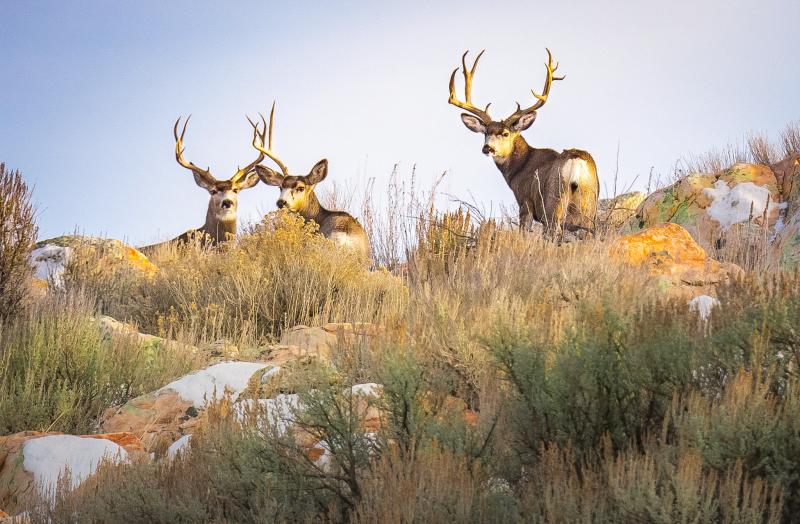
What you will see
This is a good area for deer, elk, birds, and smaller forest wildlife.
Best places to view
Look along forest roads, quiet trailheads, meadows, and edge habitat where the woods open up.
When to go
Dawn and dusk are best. Spring can be a great season for active wildlife, but this area rewards slow travel and a careful eye all year long.
Prairie and Grassland Areas
Back to Top of List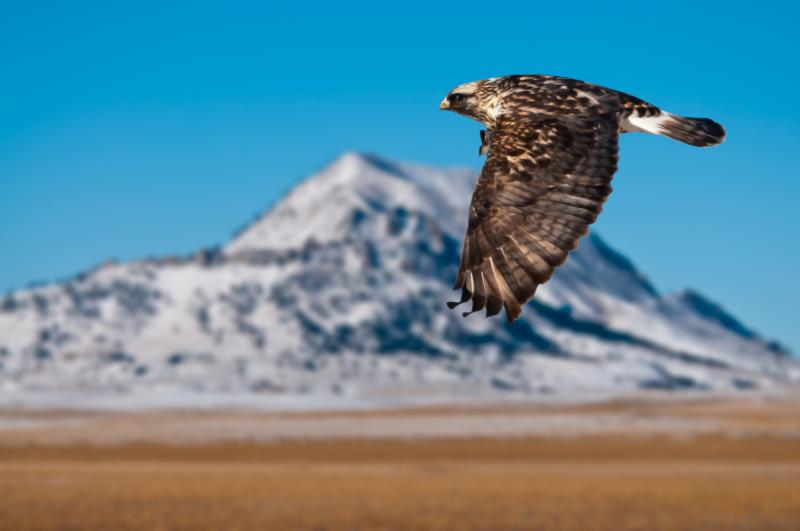
What you will see
Open prairie areas can offer sightings of pronghorn, coyotes, hawks, and other birds of prey.
Best places to view
Long, open roads and pullouts near grassland stretches make it easier to scan for movement. These areas are especially good for visitors who do not mind slowing down and looking far across the landscape.
When to go
Clear weather and good visibility help, and the low light of morning or evening can make animals easier to spot.
Scenic Drives and Roadside Pullouts
Back to Top of List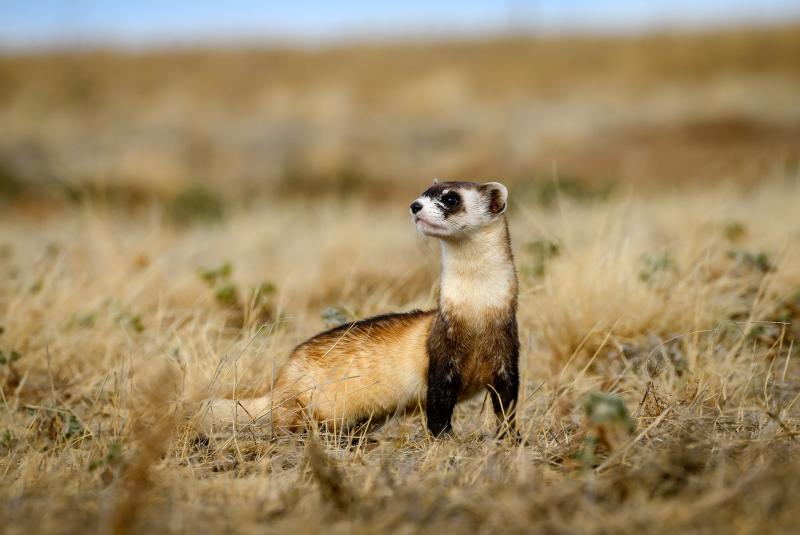
What you will see
Depending on location, you might spot deer, bison, birds, black footed ferret or smaller wildlife near open meadows and roadside habitat.
Best places to view
This is a good option for travelers who want wildlife viewing to fit naturally into a larger road trip.
When to go
Anytime you are already on the road, but the best sightings usually happen when you slow down and keep an eye on the shoulders, fields, and tree lines.